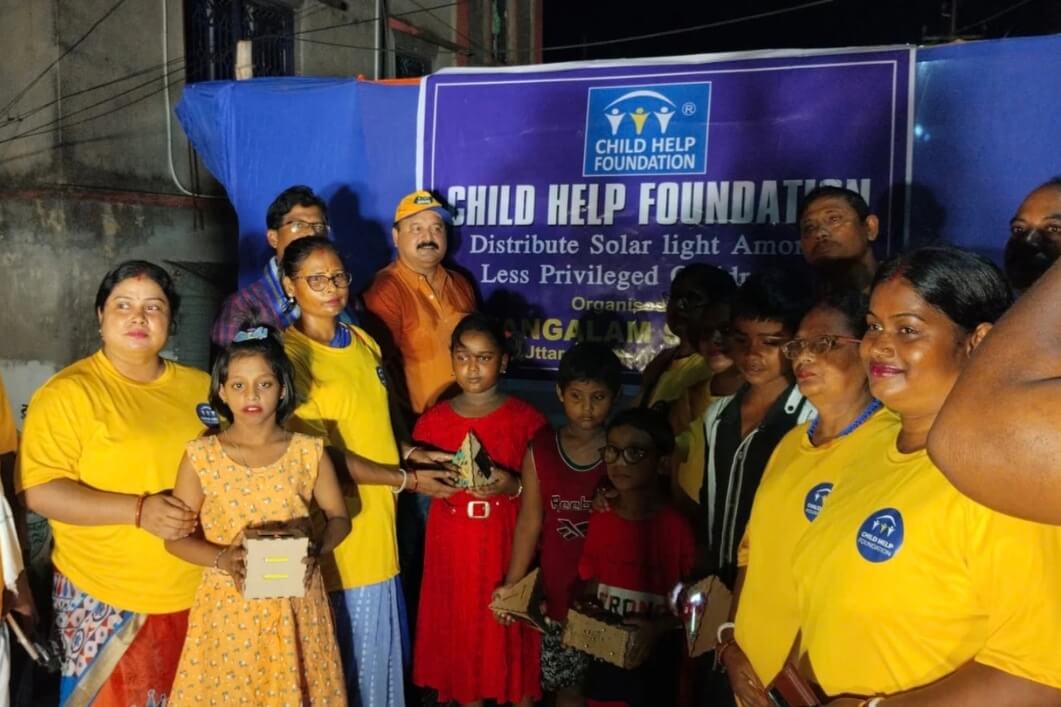
Climate change is often discussed through rising temperatures, changing weather patterns, and environmental degradation. But behind these changes are people whose lives and futures are increasingly affected, particularly children. As one of the most vulnerable sections of society, children can face serious consequences from climate-related challenges because their bodies are still developing, their nutritional needs are high, and they often have fewer resources to cope with sudden changes.
One of the most visible effects is the increasing risk of heatwaves. Extreme heat can affect children’s health, concentration, sleep, and ability to participate comfortably in school and outdoor activities. Young children are also more susceptible to dehydration and heat-related illness. For children living in communities with limited access to safe drinking water, cooling facilities, healthcare, or well-ventilated homes, prolonged periods of extreme heat can be particularly difficult.
Climate change can also affect what children eat. Changes in rainfall, rising temperatures, droughts, floods, and other climate-related disruptions can impact agriculture and food availability. When families struggle to access nutritious food, children may be among those most affected. Malnutrition can influence physical growth, immunity, learning, and overall development, making adequate nutrition an essential part of protecting children in a changing climate.
Another important consequence is migration and displacement. Families whose livelihoods depend on agriculture, fishing, or other climate-sensitive activities may be forced to move when environmental conditions become difficult. For children, migration can mean leaving behind familiar homes, schools, friends, and support systems. Some may experience interruptions in education or face difficulties accessing healthcare and other essential services. Yet, with appropriate support, children can adapt and continue learning even when their circumstances change.
The effects of climate change are therefore not limited to the environment; they can influence a child's health, education, nutrition, safety, and emotional well-being. This makes climate action an important part of child welfare. Protecting children requires both reducing environmental harm and strengthening communities so that they are better prepared to respond to climate-related challenges.
At Child Help Foundation (CHF), environmental awareness forms part of its broader commitment to children's well-being and sustainable development. Through initiatives aligned with Sustainable Development Goal 15: Life on Land, CHF engages children and communities in activities that encourage care for the environment. Environmental awareness rallies, paper-bag-making workshops, and tree plantation drives provide children with opportunities to learn about conservation while actively participating in positive change.
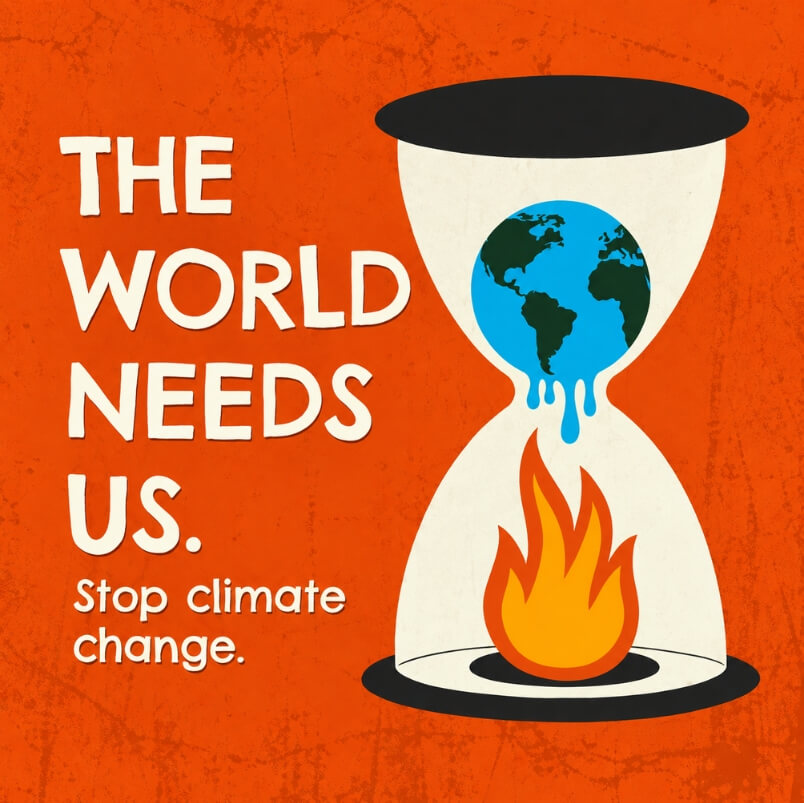
These experiences help children understand that protecting nature is also about protecting their own future. Planting and caring for trees, reducing dependence on plastic, and learning about responsible environmental practices may appear to be small actions, but they can nurture lasting habits and encourage children to become responsible environmental stewards.
Addressing climate change requires participation from governments, organisations, communities, families, schools, and children themselves. Alongside environmental action, strengthening access to nutrition, healthcare, education, clean water, and social protection can help children become more resilient to climate-related challenges.
Every child deserves the opportunity to grow in a safe and healthy environment. As the climate continues to change, creating such an environment requires us to look beyond immediate needs and invest in a sustainable future. By educating children, empowering communities, and encouraging responsible action, we can help ensure that today's children are not merely survivors of a changing climate, but confident young citizens capable of shaping a healthier and more resilient tomorrow.