For generations, in a lot of Indian homes, the birth of a son meant sweets being distributed, drums outside the house, relatives calling to congratulate. The birth of a daughter, in far too many of those same homes, was met with silence, sometimes even disappointment.
Nobody said it out loud, but everybody understood it.
This quiet stigma is actually where International Daughters' Day comes from. The day is widely recognised to have originated in India, as a way of pushing back against exactly this mindset and reminding families that a daughter arriving is not something to feel sorry about.
This year, International Daughters' Day falls on September 27, and it feels like a good moment to stop and ask ourselves honestly: How much has actually changed since this day was first needed?
The Gap We Don't Talk About Enough
Even today, walk into many homes across the country, and you will still find small signs of this old bias playing out. A daughter eating after everyone else has finished. A daughter's cough being brushed aside while a son's is taken straight to the doctor. It is rarely intentional cruelty. It is an old habit, passed down so many times that nobody questions it anymore.
The data backs this up too. Research based on India's National Family Health Survey found that in households where parents openly prefer sons, daughters face a higher chance of stunting, wasting, and being underweight compared to their brothers (Source: NFHS-5, Ministry of Health and Family Welfare). This has nothing to do with biology, since girls are, if anything, born harder. It comes down to who gets fed first, who gets taken to the doctor sooner, and who gets waited on when there isn't enough to go around.
Even something as basic as a meal reflects this bias. In many low-income households, food is still served unevenly, with women and girls eating last and getting the smaller share. This gap is not written into any law. It lives quietly inside habits that families rarely stop to question.
What We're Doing About It
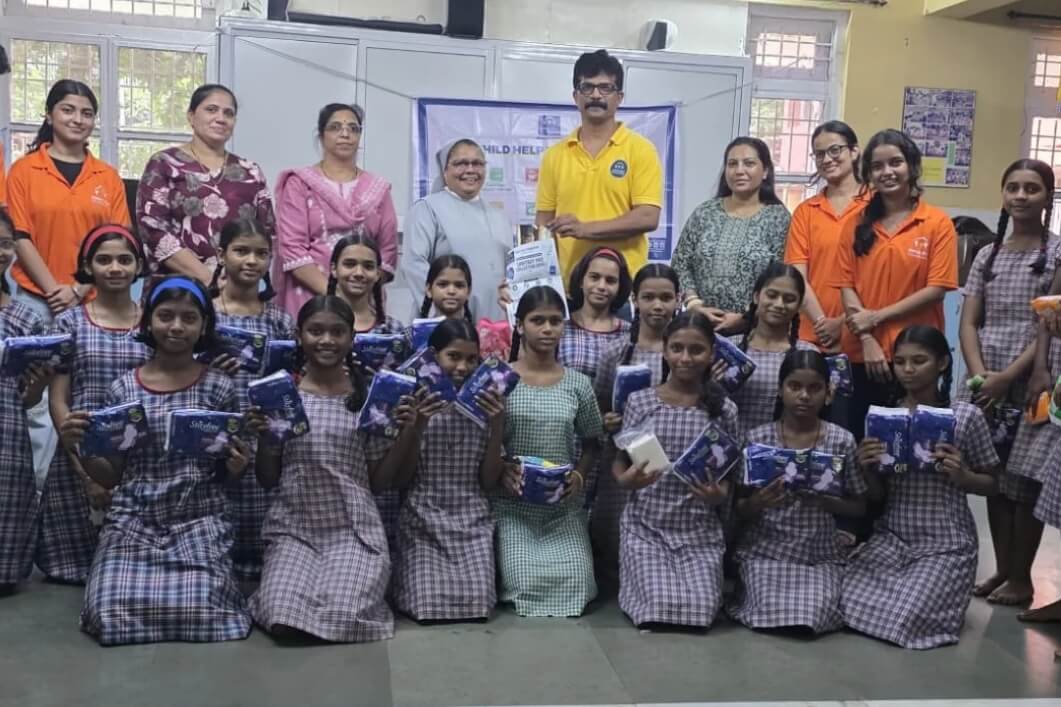
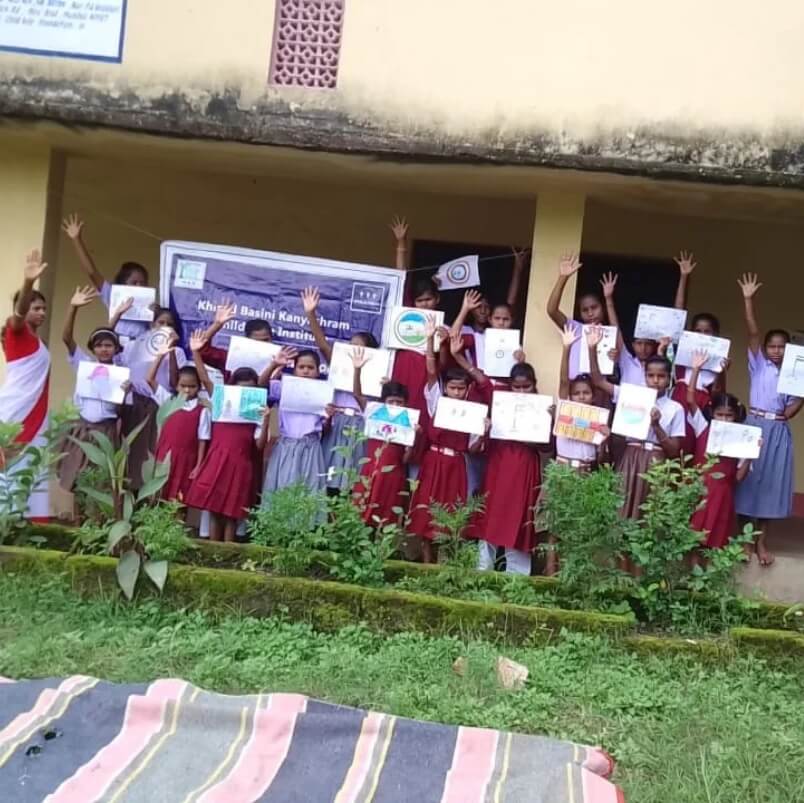
This is the exact space Child Help Foundation works in, not only around Daughters' Day, but through the entire year, as part of our commitment to being a child welfare NGO in India that takes girl child equity seriously.
Working in alignment with the national Beti Bachao Beti Padhao mission, our gender equality programme has reached over 3,61,392 people as of March 2026, across efforts such as:
- Girl child education, so that girls get the same access to schooling and opportunity as their brothers, as an NGO supporting girl child education in practice, not just on paper
- Gender sensitisation sessions, helping communities gently unlearn the biases that shape how sons and daughters are raised differently
- Legal awareness programmes, including POCSO sessions in schools to protect children, and POSH sessions in workplaces to make environments safer for women
- Self-defence training, giving girls and women practical skills to protect themselves
- Adolescent Reproductive and Sexual Health (ARSH) sessions, helping young people understand puberty, health, and their own bodies with clarity instead of shame, reaching thousands so far
- Invisible Girl Project (IGP) works specifically to raise awareness around gendercide, child marriage, and the everyday gender inequality girls face, through sessions run across schools, villages, and communities in states like Maharashtra and Haryana. This awareness work alone has reached more than 70,000 women so far
None of this changes overnight. It takes showing up in the same villages and communities again and again, until old habits genuinely start to shift.
This Daughters' Day, Go Beyond the Hashtag
It is easy to post a caption on Daughters' Day and move on with the rest of your day. If this day is going to mean anything at all, it should make us pause and ask harder questions about the daughters who are still waiting for a fair shot, in their own homes, schools, and futures.
As a child protection NGO in India, we see this reality up close, and we know real change never comes from one day of appreciation. It comes from people who choose to stay involved long after the day is over.
If you would like to be part of that, whether by choosing to donate to an NGO in India, volunteering your time, or simply talking about it more, we would love to have you with us. Every daughter deserves more than one day of being celebrated. She deserves an equal chance, every single day.