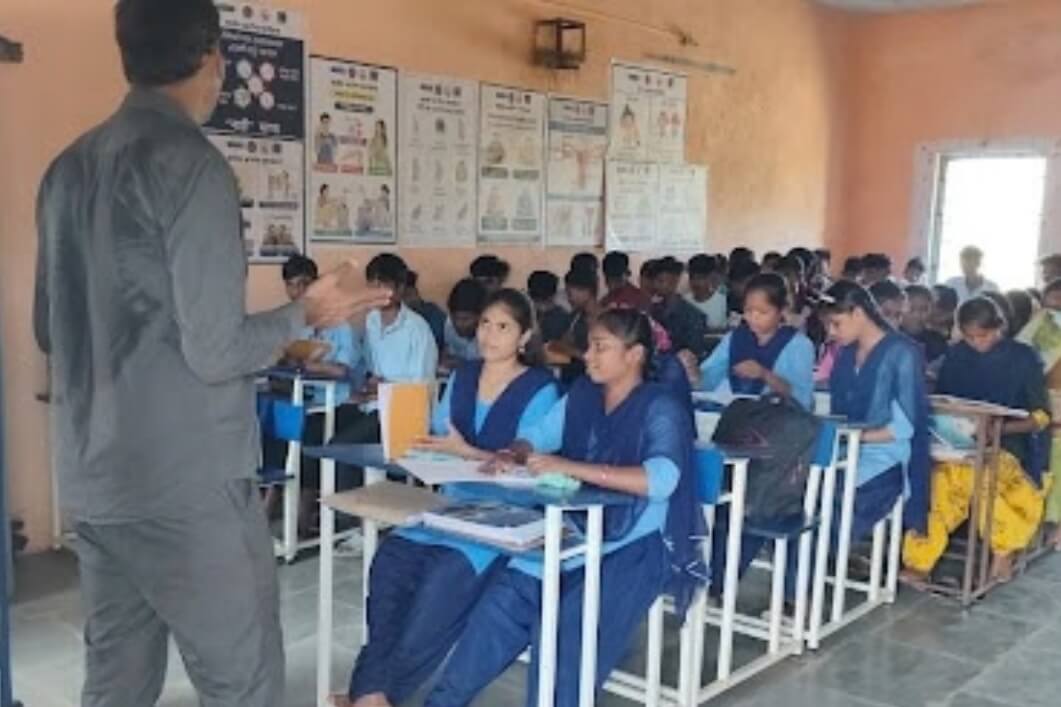
For a child, illness can change the rhythm of everyday life. School days may turn into hospital visits, playtime may give way to treatment, and familiar routines can suddenly feel uncertain. While medical care is essential for recovery, childhood illness can also affect a child’s emotional and psychological well-being. The experience can influence not only the child, but also siblings and parents who navigate the journey alongside them.
Children undergoing prolonged or serious treatment may experience fear, anxiety, loneliness, frustration, or sadness. Being away from friends and school can make them feel isolated from their peers. Repeated procedures, unfamiliar surroundings, and uncertainty about recovery can also be difficult to process, particularly for younger children who may not fully understand why they are unwell. Some children may become withdrawn, while others may express their distress through changes in behaviour, sleep, appetite, or communication.
This is why healing must extend beyond treating the physical condition. Emotional support, reassurance, play, education, and opportunities for children to remain connected with their everyday lives can make the treatment journey less overwhelming. Creating spaces where children feel heard and respected allows them to express their emotions without fear or embarrassment.
The experience can also affect siblings. When a child requires frequent medical attention, parents may understandably have to devote much of their time and energy to the child receiving treatment. Siblings may miss their brother or sister, worry about their health, or experience feelings of loneliness or uncertainty. They too need reassurance, attention, and age-appropriate explanations. Including siblings in conversations and family activities can help them feel secure and connected during a challenging period.
For parents and caregivers, the emotional burden can be significant. Alongside concerns about their child’s health, they may have to manage changes in family routines, work responsibilities, education, travel, and other practical challenges. The uncertainty surrounding treatment can create considerable stress. Supporting families therefore means recognising that caregivers also need compassion, information, and a reliable support system.
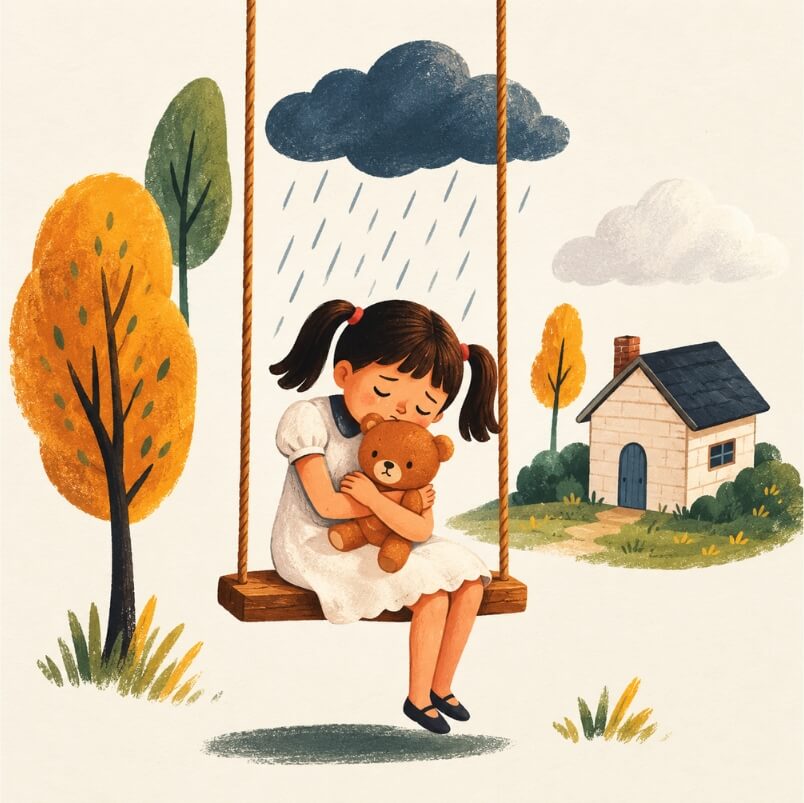
At Child Help Foundation (CHF), the understanding of child well-being goes beyond medical intervention. Through its work in healthcare and child welfare, CHF supports children and families facing difficult circumstances, recognising the importance of dignity, care, and continuity during challenging periods. Initiatives that support children’s education during recovery can help them remain connected to learning and their aspirations, while accommodation and assistance for families travelling for specialised treatment can reduce some of the challenges surrounding prolonged medical care.
Building a supportive environment can help children rediscover moments of normality. A conversation, a book, a lesson, time with friends, creative activity, or simply having someone listen can remind a child that they are more than their illness. These small moments can nurture confidence and help children retain a sense of identity during treatment.
Healing is not only about making the body stronger; it is also about helping a child feel safe, valued, and hopeful. When children receive emotional support alongside appropriate medical care, families are better equipped to navigate difficult periods together.
Every child deserves the opportunity to recover with dignity and continue dreaming about the future. By acknowledging the psychological impact of childhood illness and creating stronger support systems for children, siblings, and parents, communities can ensure that no family has to face the emotional journey alone.