Social change is often measured in smiles, renewed hope, and brighter futures. While these outcomes are deeply meaningful, they must also be supported by evidence. For non-profit organisations, creating impact is only one part of the journey; measuring that impact is equally important. It enables organisations to understand whether their programmes are achieving their intended outcomes, identify areas for improvement, and demonstrate accountability to donors, partners, and the communities they serve.
At Child Help Foundation (CHF), we believe that every contribution entrusted to us should translate into meaningful and measurable change. Transparency, accountability, and continuous evaluation are at the heart of our work, ensuring that every initiative creates a lasting difference in the lives of children and communities.
Why Measuring Impact Matters
Social challenges such as poverty, malnutrition, lack of education, inadequate healthcare, and gender inequality cannot be solved overnight. They require long-term interventions, careful planning, and regular assessment. Measuring impact helps organisations answer important questions: Are children attending school regularly after receiving educational support? Are healthcare interventions improving recovery rates? Are awareness programmes encouraging safer and healthier practices?
The answers to these questions provide valuable insights that guide future planning and ensure resources are utilised effectively. More importantly, impact measurement ensures that programmes remain focused on the real needs of beneficiaries rather than assumptions.
The Importance of Transparency and Accountability
Trust is the foundation of every successful non-profit organisation. Donors, corporate partners, volunteers, and supporters want to know that their contributions are creating genuine change. Transparency involves openly sharing how funds are utilised, the activities undertaken, and the outcomes achieved.
Accountability goes a step further. It means taking responsibility for both successes and challenges, learning from experiences, and continuously improving programme delivery. By maintaining high standards of governance and ethical practices, organisations build lasting relationships with stakeholders and strengthen public confidence in their mission.
At CHF, transparency is reflected in the way programmes are planned, implemented, monitored, and reported. Every project is designed with clear objectives, helping ensure that support reaches those who need it most.
Measuring More Than NumbersWhile statistics are important, they only tell part of the story. Measuring social impact requires looking beyond numerical outputs to understand how lives have changed.
For example, providing educational support is not simply about counting the number of children who receive school supplies. The real impact lies in improved school attendance, increased confidence, better learning outcomes, and a greater opportunity for children to build brighter futures.
Similarly, healthcare initiatives are evaluated not only by the number of beneficiaries reached but also by improved health outcomes, timely access to treatment, and enhanced quality of life. Awareness programmes are assessed by changes in knowledge, behaviour, and community participation.
By combining quantitative data with real-life stories and feedback from beneficiaries, organisations gain a more comprehensive understanding of their impact.
Continuous Learning for Greater Impact
Impact measurement is not about proving success alone; it is about learning and improving. Regular monitoring helps organisations identify what works well, recognise emerging challenges, and adapt programmes to changing community needs.
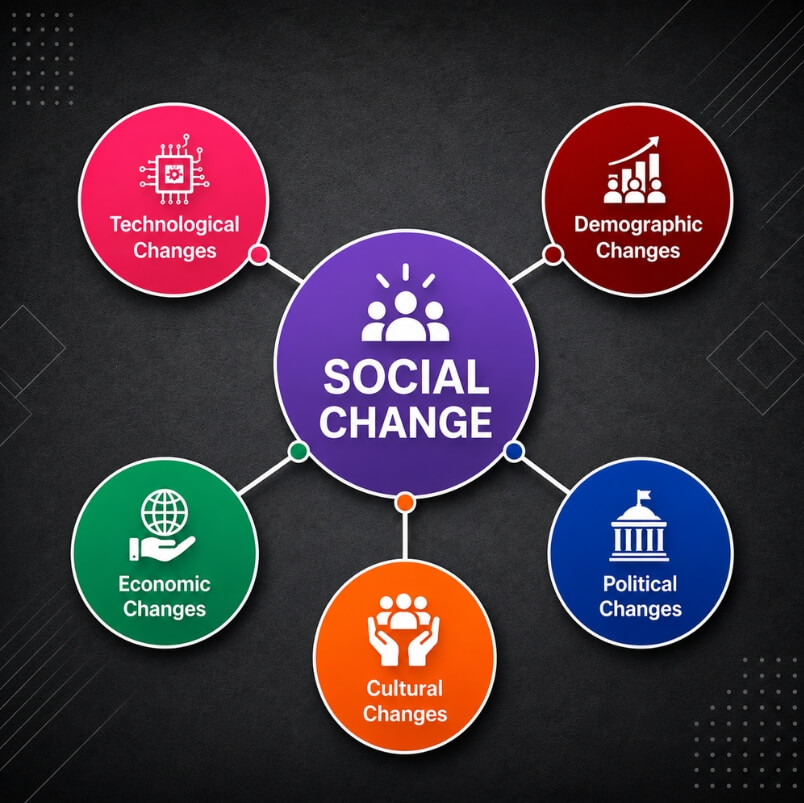
This culture of continuous improvement enables organisations to design more effective interventions, maximise available resources, and deliver sustainable outcomes. It also encourages innovation, ensuring that programmes remain relevant and responsive.
Creating Lasting Change Together
Meaningful social change is built on collaboration between communities, donors, volunteers, corporate partners, and development organisations. Measuring impact ensures that every effort contributes towards a shared vision of creating healthier, safer, and more empowered communities.
At Child Help Foundation, our commitment extends beyond implementing programmes; we are equally committed to measuring their effectiveness, maintaining transparency, and remaining accountable to every stakeholder who supports our mission. These principles enable us to strengthen our initiatives while ensuring that every child receives the opportunity to learn, grow, and thrive.
Social change cannot always be measured overnight, but with clear goals, responsible stewardship, and continuous evaluation, we can confidently track progress towards a better future. By embracing transparency and accountability, we not only build trust but also create lasting impact, one child, one family, and one community at a time.