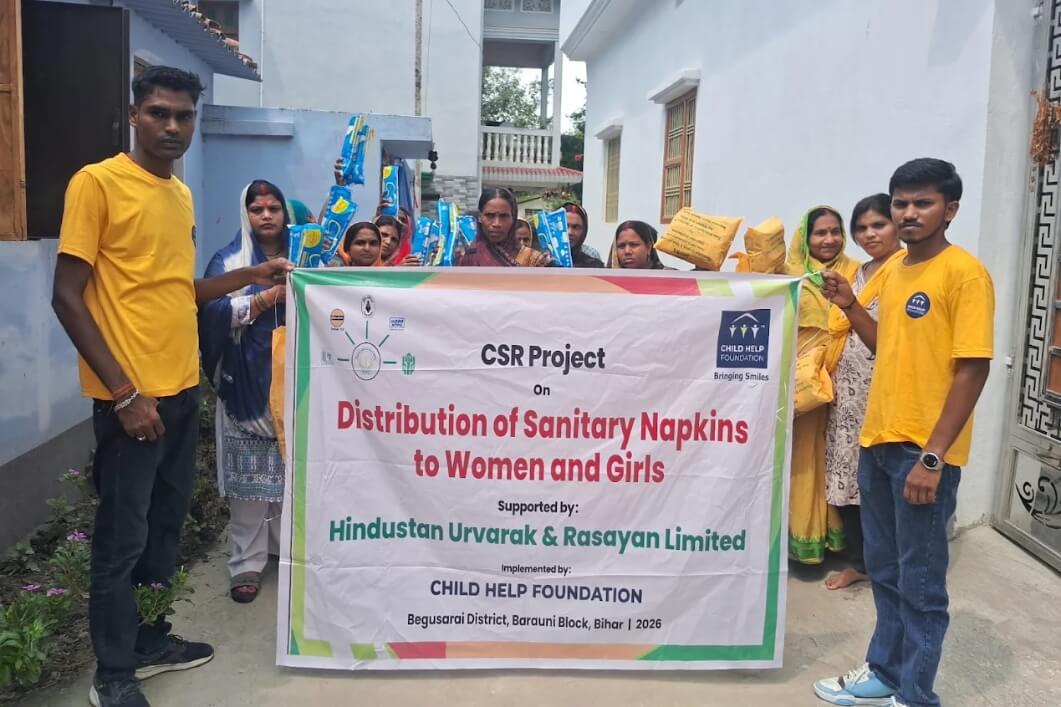
For many girls, education is a pathway to confidence, opportunity, and independence. Yet, something as natural as menstruation can become a barrier to regular school attendance and participation. Period poverty refers not only to the lack of access to menstrual products, but also to the wider challenges of inadequate sanitation, limited menstrual health education, social stigma, and the absence of supportive environments.
When girls do not have access to safe menstrual products or suitable facilities, managing their periods at school can become difficult. A lack of private toilets, water, soap, disposal facilities, and changing spaces can make girls feel uncomfortable and insecure. In some communities, these challenges may contribute to girls missing school during menstruation, affecting their learning and participation over time.
Infrastructure Matters
A menstrual-friendly school environment requires more than a toilet block. Girls need clean, functional, private sanitation facilities, access to water and soap, and safe ways to dispose of menstrual waste. These basic facilities allow girls to manage their periods with dignity and continue participating in classroom activities.
Schools can also play an important role by creating supportive systems, such as access to emergency menstrual products and trained staff who can respond sensitively when a student needs assistance. When menstrual health is considered as part of school infrastructure and student well-being, girls are better placed to learn without unnecessary disruption.
Breaking the Silence Around Menstruation
Infrastructure alone cannot address period poverty. Stigma and misinformation can be equally restrictive. In many settings, menstruation is still surrounded by embarrassment, myths, and uncomfortable silence. Girls may hesitate to ask for sanitary products, discuss menstrual pain, or seek help when they experience concerns.
Age-appropriate menstrual health education can help change this. When girls understand menstruation and know how to manage it safely, they can approach their periods with greater confidence. Educating boys, teachers, parents, and communities is equally important because menstrual health should not be treated as an issue that girls have to navigate alone.
Open conversations can replace shame with understanding and encourage healthier attitudes towards menstruation.
The Role of Policies and Collective Action
Addressing period poverty also requires supportive policies and their effective implementation. Menstrual health must be considered within broader efforts on education, sanitation, health, gender equality, and child well-being. Policies can help strengthen access to menstrual products, improve sanitation facilities, encourage menstrual health education, and create safer learning environments.
Organisations, schools, communities, policymakers, and families all have a role to play. Solutions become more meaningful when they address the different realities girls experience rather than focusing on menstrual products alone.
Creating a Future Where Periods Do Not Interrupt Education
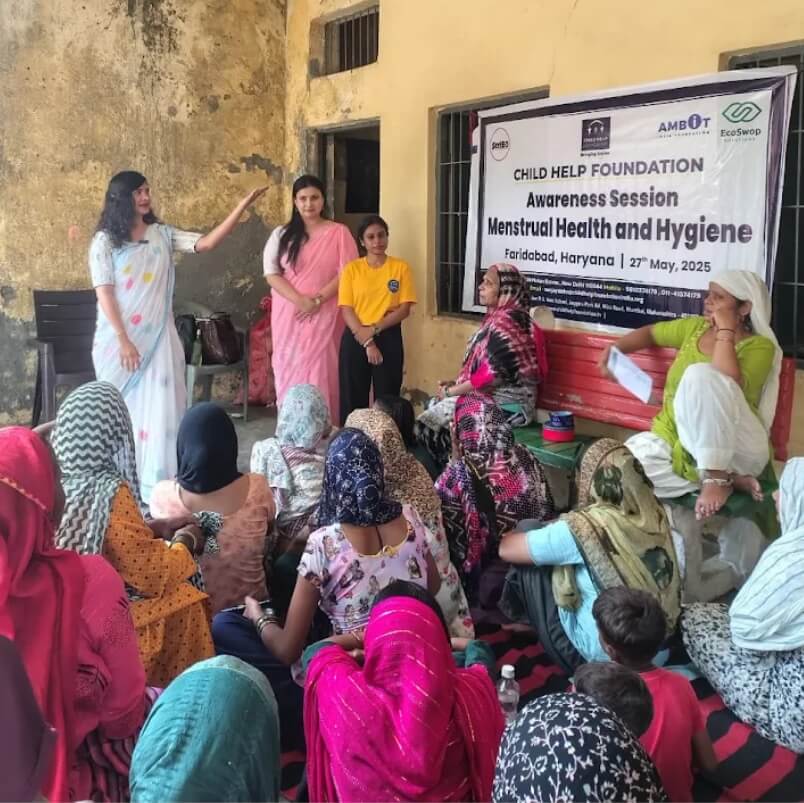
At Child Help Foundation (CHF), menstrual health awareness forms an important part of creating safer and more supportive environments for children and adolescents. Through awareness and sensitisation initiatives, CHF encourages informed conversations about menstrual hygiene and helps young people understand the importance of health, dignity, and self-care.
Ending period poverty is ultimately about ensuring that menstruation does not limit a girl's ability to learn, participate, and dream. With better infrastructure, accurate information, supportive policies, and communities willing to challenge stigma, schools can become spaces where every girl feels comfortable and respected.
Every girl deserves the opportunity to attend school without having to choose between her education and managing her period. By making menstrual health a shared responsibility, society can take an important step towards more inclusive education and a future where every child can grow with dignity and confidence.