Every child deserves a childhood filled with joy, safety, and the freedom to learn and grow without fear. Yet, child abuse, whether physical, emotional, sexual, or through neglect, remains a pervasive challenge, affecting millions of children across the world. The impact of such abuse is profound, often leaving lasting scars on a child’s emotional, psychological, and physical well-being. It can impede education, social development, and self-esteem, shaping a child’s future in detrimental ways. Recognising this urgent need, Child Help Foundation (CHF) has prioritised awareness programmes as a cornerstone of its mission to prevent abuse and ensure safe, nurturing environments for all children.
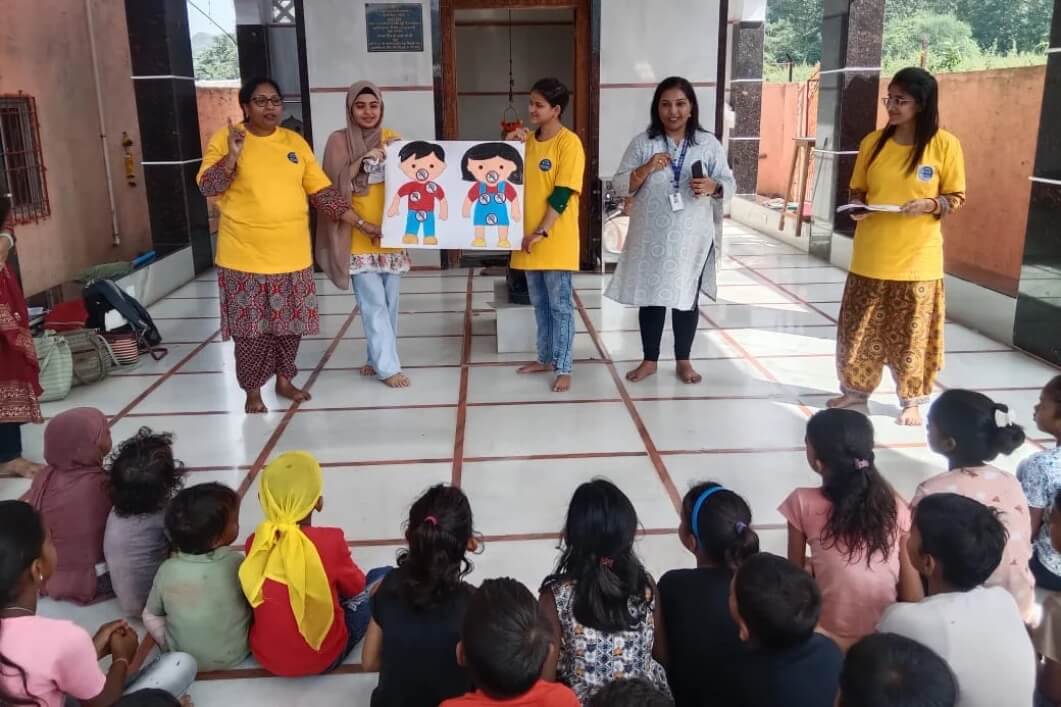
Awareness programmes play a transformative role in the fight against child abuse by equipping children, families, educators, and communities with the knowledge and tools to identify, prevent, and respond to harmful situations. By educating children about their rights, personal boundaries, and safe behaviour, these programmes empower them to recognise inappropriate actions and speak up. At the same time, parents, teachers, and community members gain the skills to detect early signs of abuse, create protective environments, and intervene appropriately when needed. CHF’s workshops go beyond lectures, using interactive methods such as storytelling, role-play, group discussions, and creative exercises to make the learning process engaging, memorable, and impactful.
A defining strength of awareness initiatives is their proactive nature. Prevention is far more effective than response, and by addressing harmful social norms early, such as the undervaluing of girls, the culture of silence surrounding sexual abuse, and the tolerance of corporal punishment, these programmes aim to reshape community attitudes. Children learn to assert their rights, communicate discomfort, and report incidents, while community adults understand their responsibility to support and protect vulnerable members. CHF’s approach emphasises collective vigilance, ensuring that safeguarding children becomes a shared duty rather than a burden borne by individuals alone.
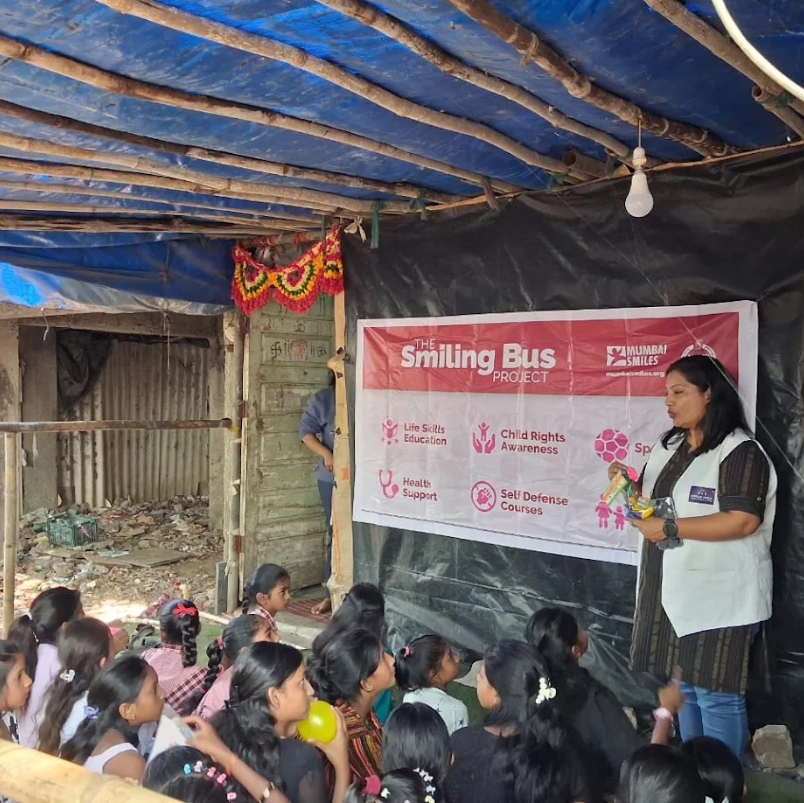
An essential component of these programmes is parental and guardian involvement. Awareness efforts provide families with practical guidance on monitoring children’s well-being, having open conversations about sensitive issues, and recognising warning signs of abuse. Through structured discussions, parents learn how to foster trust, offer reassurance, and take timely action when necessary. By involving families alongside schools and local communities, CHF ensures a comprehensive support network that strengthens child protection at every level. Teachers, in particular, receive training on recognising signs of distress, responding sensitively, and implementing child protection policies effectively, creating a secure educational environment for children to flourish.
The impact of awareness programmes is evident not only in safer children but also in empowered communities. Children who have participated in these sessions often demonstrate increased confidence, resilience, and assertiveness. They are more likely to share concerns, seek help, and advocate for their peers. Parents and educators, armed with knowledge and practical tools, contribute to a culture of vigilance and protection. Over time, these combined efforts lead to reduced incidents of abuse, improved reporting mechanisms, and strengthened support systems for affected children. Beyond immediate safety, awareness programmes cultivate long-term social change, challenging harmful practices and reinforcing the value of childhood as a time of protection, learning, and opportunity.
CHF’s commitment to child safety extends beyond awareness workshops. By conducting regular sensitisation programmes in schools, community centres, and rural villages, the organisation ensures that every child is reached, informed, and empowered. The programmes are designed to be culturally sensitive and inclusive, addressing the unique needs and vulnerabilities of children in different contexts. A key component of these sessions is educating children and adults about the POCSO Act, which provides legal protection against sexual offences and ensures timely reporting and justice for victims. Through these efforts, CHF not only protects children but also builds resilience, self-esteem, and confidence, equipping them with knowledge of their rights and the courage to seek help, thereby laying the foundation for a future in which children can thrive, free from fear.
In conclusion, safe childhoods are not a privilege; they are a fundamental right. Awareness programmes serve as a powerful preventive tool, equipping children, families, and communities with knowledge, resources, and confidence to prevent abuse. By addressing social attitudes, reinforcing protective behaviours, and promoting a culture of vigilance, these initiatives foster environments where children can grow, learn, and dream without fear. At CHF, we believe that every child deserves a world where they are valued, respected, and protected. Through education, community engagement, and unwavering commitment, we are creating a path toward safe, empowered childhoods and a society where children can flourish with dignity and hope.