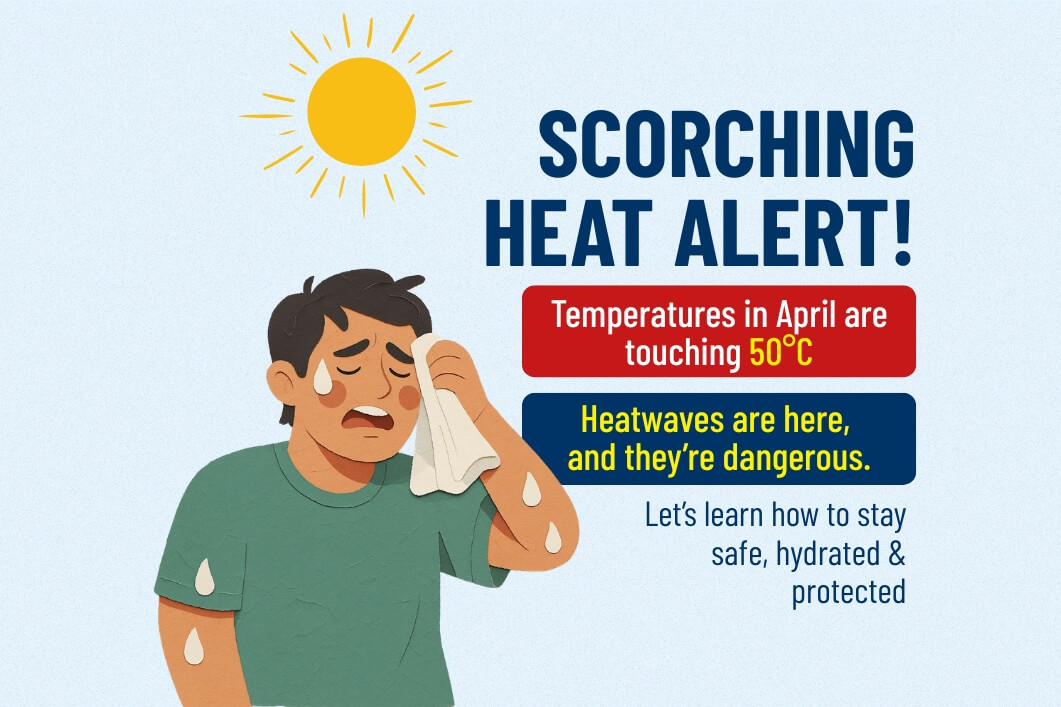
April has barely begun, yet temperatures across parts of India are already soaring close to 50°C. These intense heatwaves are no longer rare; they are becoming a harsh reality that affects millions, especially the most vulnerable communities. For daily wage workers, children, and families with limited access to cooling resources, the scorching heat can be dangerous and, at times, life-threatening.
At Child Help Foundation (CHF), we recognise that extreme weather conditions like these do more than cause discomfort; they pose serious health risks, including dehydration, heat exhaustion, and even heatstroke. As the sun blazes relentlessly, it becomes crucial to prioritise hydration, protection, and awareness.
Understanding the Impact of HeatwavesProlonged exposure to high temperatures can quickly drain the body of essential fluids and salts. Children, in particular, are more susceptible as they may not always recognise the early signs of dehydration. Symptoms such as dizziness, fatigue, dry mouth, and headaches should never be ignored. Without timely care, these can escalate into severe conditions requiring urgent medical attention.
Staying Hydrated: A Lifesaving HabitHydration is your first line of defence against extreme heat. Drinking plenty of water throughout the day, even before feeling thirsty, is essential. Including natural cooling drinks such as coconut water, lemon water, and buttermilk can help replenish lost electrolytes. Fresh fruits like watermelon, cucumber, and oranges are also excellent for keeping the body cool and hydrated.
Avoid sugary, caffeinated, or carbonated drinks, as they can lead to further dehydration. For children, ensuring regular fluid intake is key, especially during outdoor activities or school hours.
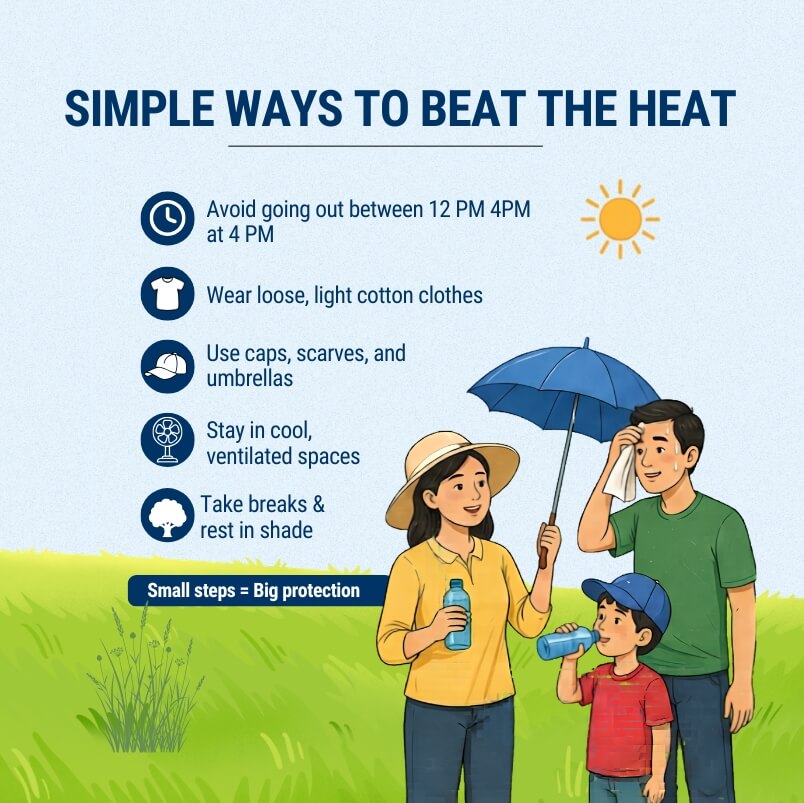
Small lifestyle adjustments can make a significant difference during heatwaves:
- Stay Indoors During Peak Hours: Try to avoid stepping out between 12 PM and 4 PM, when temperatures are highest.
- Wear Light Clothing: Loose, light-coloured cotton clothes help the body breathe and stay cool.
- Use Protective Gear: Hats, scarves, and umbrellas can shield you from direct sunlight.
- Keep Living Spaces Cool: Use curtains, fans, and proper ventilation to reduce indoor heat.
- Take Frequent Breaks: For those working outdoors, resting in shaded areas and drinking water regularly is essential.
At CHF, we continue to support underserved communities by spreading awareness about heat safety and encouraging simple yet effective practices to stay protected. Through our outreach initiatives, we aim to ensure that every individual, especially children, has access to the knowledge and resources needed to cope with extreme weather conditions.
A Collective ResponsibilityHeatwaves remind us of the urgent need to care for ourselves and others. Checking in on neighbours, providing water to those in need, and ensuring children and the elderly stay safe can go a long way in preventing heat-related illnesses.
As temperatures rise, let us come together to stay informed, stay hydrated, and stay safe. Because protecting lives begins with simple, mindful actions.