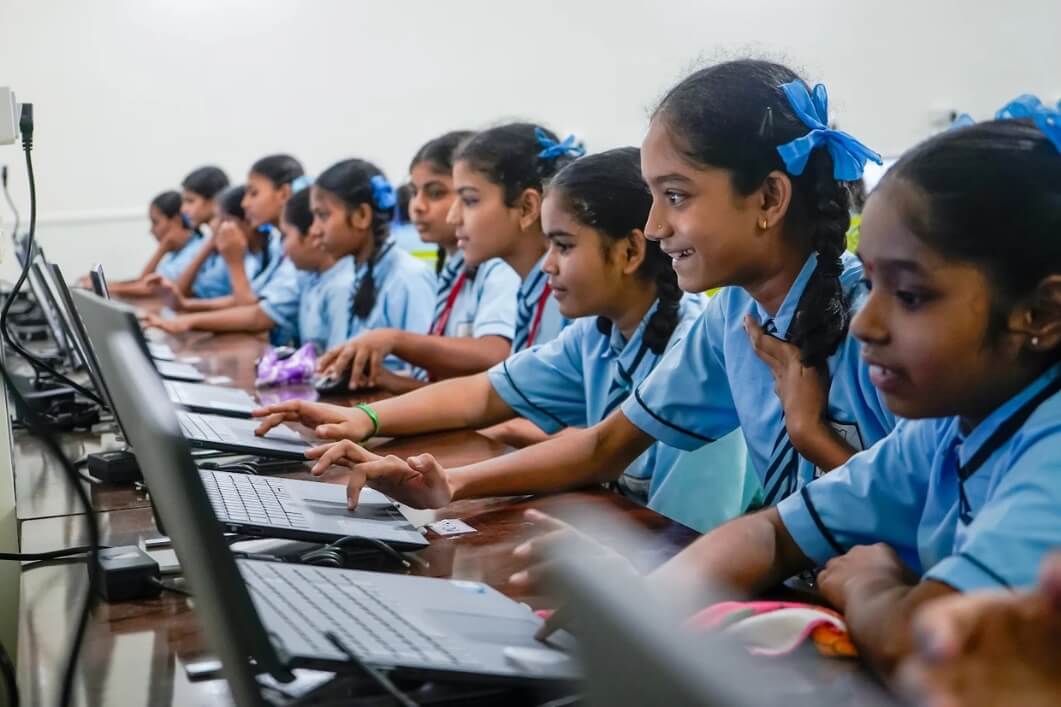
The world changed dramatically after the COVID-19 pandemic. Schools shifted online, healthcare consultations became virtual, job opportunities moved to digital platforms, and even basic services increasingly required internet access. While technology helped millions stay connected during uncertain times, it also exposed a harsh reality: not everyone had equal access to the digital world. For many children and families, the lack of internet connectivity became a barrier to education, information, and opportunity. Today, in an increasingly digital society, access to the internet is no longer a luxury; it has become a form of modern literacy.
Traditionally, literacy meant the ability to read and write. However, in today’s world, digital access and the ability to navigate online platforms are equally essential for learning, communication, and growth. Children without internet access often struggle to keep pace academically, socially, and professionally. The pandemic highlighted this digital divide sharply, especially among underprivileged communities where many children lacked smartphones, stable internet connections, or digital learning tools.
During lockdowns, countless students across India were unable to attend online classes regularly. Some children travelled long distances to access network signals, while others had to share one device among several family members. Many eventually fell behind in their studies, not because of a lack of ability or willingness to learn, but because of limited digital access. This gap demonstrated that internet connectivity is directly linked to educational equality and future opportunities.
The digital divide goes beyond education alone. Internet access today influences healthcare awareness, skill development, financial inclusion, and employment opportunities. Children and young people who are digitally connected can access online learning platforms, educational videos, scholarship opportunities, career guidance, and skill-based courses. They are better prepared for a future in which digital knowledge is increasingly important across industries and professions.
At the same time, digital literacy also involves understanding how to use the internet safely and responsibly. Children must be guided on cyber safety, online privacy, misinformation, and responsible digital behaviour. Without proper awareness, increased internet exposure can also create risks such as cyberbullying, exploitation,harmful online content. This makes digital education just as important as digital access itself.
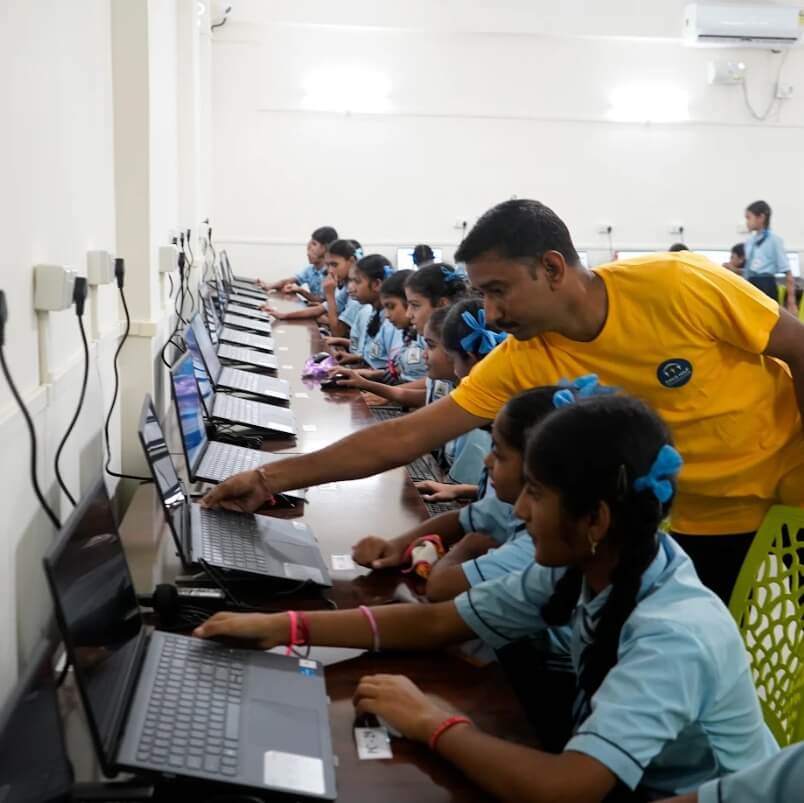
Recognising these challenges, Child Help Foundation (CHF) continues to work towards bridging educational and awareness gaps among vulnerable communities. By supporting educational initiatives, installing STEM & computer labs, conducting awareness programmes, and promoting equal learning opportunities, CHF aims to ensure that children are not left behind in a rapidly evolving digital world. The organisation believes that every child, regardless of their socio-economic background, deserves the chance to learn, grow, and prepare for the future with confidence.
Bridging the digital divide requires collective action from governments, schools, communities, and social organisations. Affordable internet access, digital infrastructure in rural areas, access to devices, and digital awareness programmes are essential steps towards creating equal opportunities for all children. Schools and communities must also work together to ensure that technology is used as a tool for empowerment rather than exclusion.
The future will increasingly depend on digital readiness. From education and employment to communication and innovation, technology is shaping the way society functions. Ensuring that children have access to the internet and the skills to use it effectively is no longer optional; it is necessary for their development and participation in the modern world.
In conclusion, the pandemic revealed that the digital divide is not merely about technology; it is about equality, opportunity, and inclusion. In the 21st century, internet access has become a new form of literacy that can determine a child’s future. By empowering children with digital access, awareness, and learning opportunities, we can help build a more inclusive, informed, and future-ready generation.