Every year, National Girl Child Day reminds us of an important truth: when girls are valued, supported, and given equal opportunities, entire communities flourish. Across India, many initiatives strive to uplift the status of girls, but few stories capture this spirit as powerfully as that of Piplantri village in Rajasthan, a place where the birth of a girl is celebrated not with silence or concern, but with the planting of 111 trees.
Located in Rajasthan’s Rajsamand district, Piplantri was once a village struggling with environmental degradation and deeply rooted gender biases. This began to change in the mid-2000s when the village leadership introduced a unique tradition: for every girl child born, 111 saplings would be planted in her name. What started as an act of remembrance and compassion soon became a movement that transformed both the land and the people's mindset.
The intention behind this initiative was simple yet powerful: to honour the girl child and to challenge the belief that daughters are a burden. By linking a girl's life to the growth of trees, the community created a living symbol of care, responsibility, and hope. Each sapling planted became a reminder that girls, like trees, need nurturing to grow strong and resilient.
Beyond symbolic gestures, the village ensured practical support for every girl. Families collectively contributed to a financial deposit made in the child’s name, to be accessed when she reached adulthood. Parents are also committed to educating their daughters and preventing early marriage. This collective responsibility helped reinforce the idea that raising a girl is not the duty of one family alone, but of the entire community.
Over the years, the impact of this approach has been remarkable. Thousands of trees now stand where barren land once existed, improving groundwater levels, biodiversity, and livelihoods. More importantly, attitudes have shifted. Girls are celebrated, their education is prioritised, and their futures are viewed with optimism rather than anxiety. Piplantri stands today as a reminder that social change does not always require large institutions; it can begin with a village, a sapling, and a shared belief in equality.

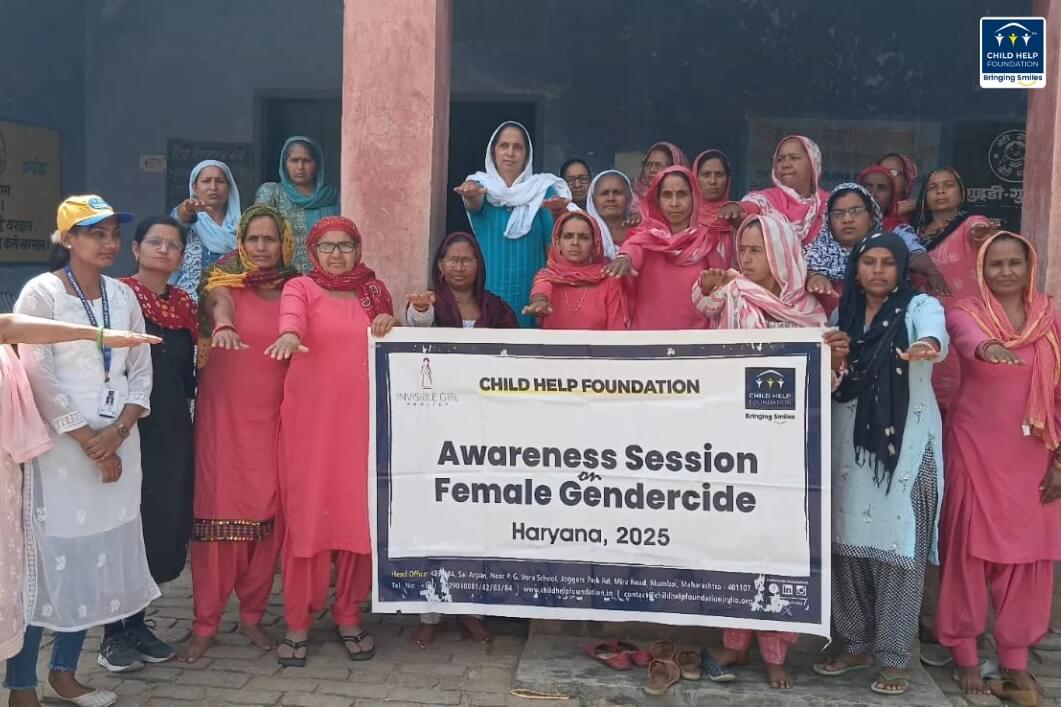
At Child Help Foundation (CHF), this story deeply resonates with our mission. Across India, CHF works to ensure that every child, especially every girl, has access to healthcare, education, protection, and dignity. Whether through education support programmes, health interventions, or awareness initiatives, we believe that empowering girls creates ripples of positive change that extend far beyond individual lives.
National Girl Child Day is not only about celebration; it is also about reflection and responsibility. Piplantri teaches us that when communities invest in girls, they invest in a healthier environment, a stronger economy, and a more just society. The growth of a girl and the growth of a forest are not separate journeys; they are deeply connected.
As we mark this day, let us commit to nurturing every girl child with care, respect, and opportunity. Because when a girl is allowed to grow freely, she does more than shape her own future; she helps shape a better world for all.