Every year, the first rain brings relief. The heat breaks, the air feels cooler, and for a moment, everything feels refreshing. But for millions of children across the country, especially those living in families with little to no access to basic healthcare, the monsoon season tells a different story.
While the rest of us reach for chai and welcome the cool breeze of the first rain, many children are walking through flooded streets, drinking contaminated water, and sleeping in damp spaces with no protection from mosquitoes. The monsoon is beautiful, but it also brings a wave of health risks that hit children the hardest.
Why Children Are More VulnerableChildren’s immune systems are still developing, which means their bodies are far less equipped to fight off infections compared to adults. Add to that the reality of poor sanitation, overcrowded living conditions, and limited access to healthcare, and you have a situation where monsoon diseases in children can escalate quickly and dangerously.
Stagnant water becomes a breeding ground for mosquitoes, making dengue and malaria in kids a very real threat every single monsoon season. Flooded areas contaminate drinking water sources, leading to waterborne diseases like cholera, typhoid, and diarrhoea that can cause severe dehydration in young children within hours. Damp, humid conditions also bring skin infections and respiratory issues that often go untreated simply because families cannot afford medical care.
These are not rare or distant problems. They happen every year, across every state, and the children most at risk are the ones who have the least support around them.
What We Do When the Rains Arrive
At Child Help Foundation, one of the most active NGOs for children in India, we do not wait for the crisis to knock. As the monsoon approaches, our teams are already on the ground.
We distribute mosquito nets to families in flood-prone areas to reduce the risk of dengue and malaria. As a medical help NGO for poor and marginalised families, we organise health camps that bring medical aid, first aid, and basic medicines directly to communities that cannot travel to hospitals. When heavy rains trigger flooding, as they do year after year in places like Assam, we move quickly with emergency relief, including food packets, clean drinking water, and daily essentials for displaced families.
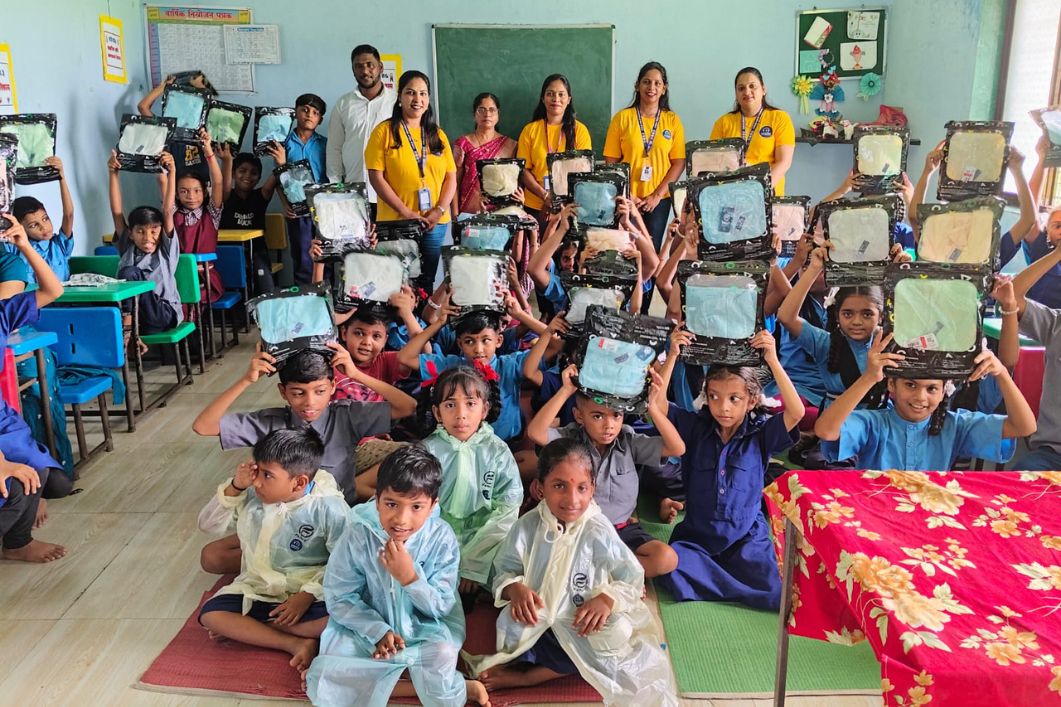
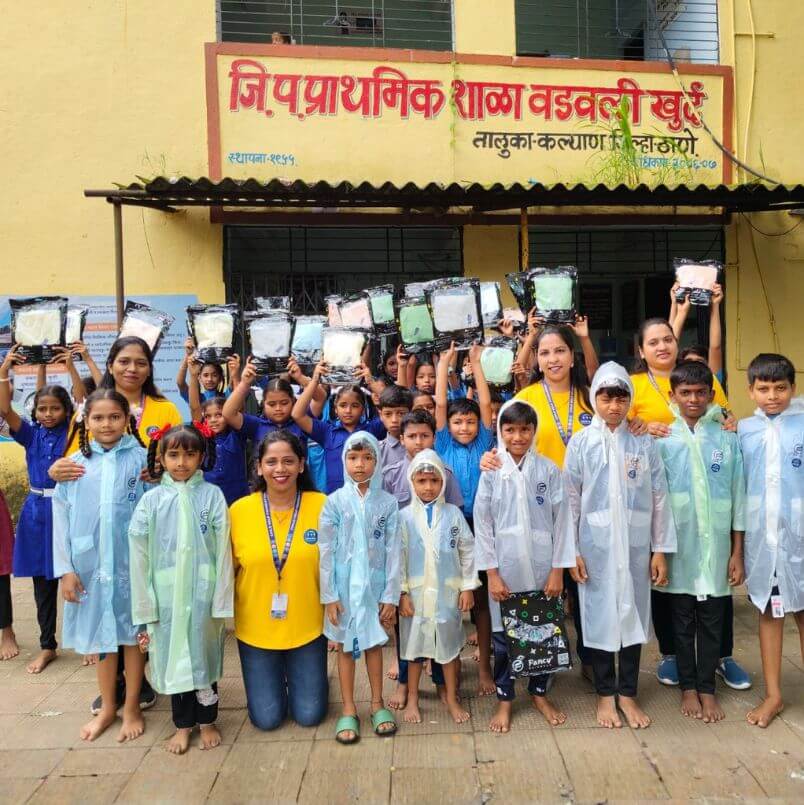
We also make sure that education does not stop when the rains come down hard. Children from low-income families receive raincoats, umbrellas, and waterproof school bags so they can get to school safely, because missing even a few weeks of school can set a child back in ways that take years to recover from.
And beyond the immediate relief, we engage children in activities like rainwater harvesting and tree planting, because protecting children also means protecting the environment they will grow up in.
What You Can DoAwareness is the first step. Knowing how to protect children from monsoon diseases, keeping surroundings free of stagnant water, ensuring children drink clean water, and watching out for early symptoms can make a real difference at the community level.
But if you want to go further, we welcome you. As a child welfare NGO in India, we believe that change happens when communities come together. Whether you volunteer on the ground, help poor children in India, support a health camp, or simply spread the word about monsoon health risks for children in India, every effort counts.
If you are looking for a way to support child healthcare NGO work that directly reaches those who need it most, this is where your contribution makes a real difference. And for families wondering where to turn, know that an NGO helping sick children in India is already on the ground, working every monsoon season to keep children safe.
The rains are coming; let us make sure every child is ready for them.