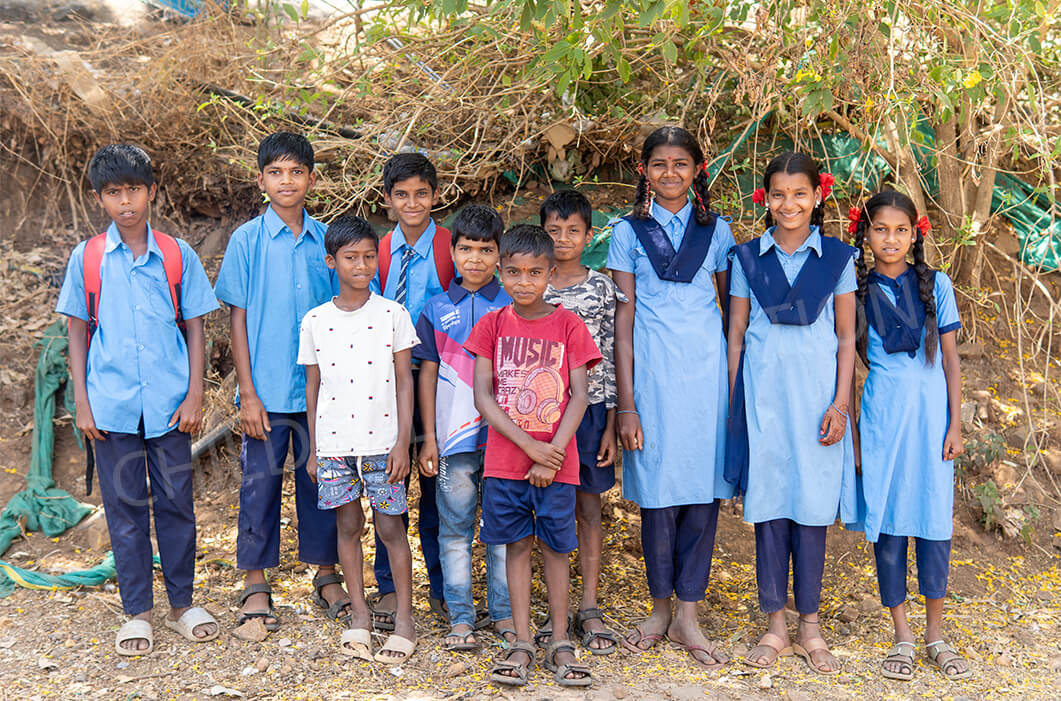
In today’s rapidly evolving business landscape, corporates are increasingly recognising that success is defined not solely by financial growth but also by the impact they create on society. Among the many areas of social responsibility, Child Welfare NGO in India stand out as one of the most meaningful and strategic long-term investments a company can make. At Child Help Foundation, we believe every company can make a lasting impact by supporting structured child welfare programmes. Supporting children is not just an act of compassion; it is an investment in the future workforce, economy, and society.
Children represent the foundation of tomorrow. When businesses invest in their health, education, and overall well-being, they are directly contributing to the development of a skilled, resilient, and capable generation. Supporting Child Help Foundation helps corporates strengthen child education support in India and sustainably support education for underprivileged children. Healthy and educated children are more likely to grow into productive adults who can drive innovation, strengthen communities, and contribute positively to the economy. In this sense, child welfare initiatives align closely with long-term business sustainability and national development.
One of the key reasons child welfare is a smart investment lies in its multiplier effect. Supporting a single child often impacts an entire family and, in many cases, the wider community. This is why many corporations today choose to contribute to child welfare programs and support child healthcare initiatives through trusted organisations. For instance, access to education not only empowers children but also breaks the cycle of poverty, promotes gender equality, and improves health outcomes. Similarly, initiatives focused on child healthcare ensure early diagnosis and treatment, reducing long-term societal and economic burdens. These outcomes create a ripple effect that benefits both society and the business ecosystem in which corporates operate.
From a corporate perspective, investing in child welfare also strengthens brand reputation and stakeholder trust. Today’s consumers, employees, and investors are more socially conscious than ever. They are drawn to organisations that demonstrate a genuine commitment to social causes. Many companies now donate to help children in India and support children’s education through verified NGOs such as Child Help Foundation. By supporting initiatives led by organisations, corporates can build a brand identity rooted in empathy, responsibility, and long-term vision. This not only enhances public perception but also fosters employee pride and engagement, creating a stronger internal culture.

Furthermore, child welfare initiatives align seamlessly with Environmental, Social, and Governance (ESG) goals and Corporate Social Responsibility (CSR) mandates. Corporations looking to partner with a top, transparent NGO in India, or with an NGO with 80G tax exemption in India, are increasingly supporting structured child welfare programmes. Programmes focused on education, healthcare, nutrition, and protection contribute directly to key Sustainable Development Goals, including quality education, good health and well-being, and reduced inequalities. By investing in children, corporates can create measurable, lasting impact while fulfilling their ethical and regulatory commitments.
At Child Help Foundation, the focus is on holistic child development, making it one of the best NGOs for children in India and one of the leading NGO helping underprivileged children in India through healthcare, education, nutrition, and protection programmes. Through its programmes, CHF ensures that underprivileged children are not left behind but are given the opportunity to thrive with dignity. Corporate partnerships play a crucial role in enabling these initiatives, transforming contributions into tangible outcomes that change lives.
Importantly, child welfare is not a short-term intervention; it is a long-term commitment with enduring returns. The benefits may not always be immediate, but over time, they lead to stronger communities, a more stable economy, and a more inclusive society. For corporates, this translates into a healthier business environment, a more skilled workforce, and sustained growth.
In conclusion, investing in child welfare is both a moral responsibility and a strategic decision. It allows corporates to go beyond profit and play a meaningful role in shaping the future. By partnering with Child Help Foundation, businesses can ensure their contributions create lasting change. As a trusted NGO in India and one of the best NGOs for children in Mumbai, the organisation continues to transform the lives of underprivileged children across India.